
Farne Islands history: an island landscape
Farne Islands history brings together religious life, navigation and the people who worked on a demanding coast. The islands lie off Seahouses and are divided into inner and outer groups. Cuthbert lived here as a hermit in the seventh century, but the buildings visible today belong to later phases. That distinction matters when imagining his life on the islands: a surviving structure is not automatically a building he knew.
Today the National Trust has cared for the islands since 1925. Boat operators run separately, and a trip around the islands is a different experience from a landing. Our boat trip guide compares the options, while when to visit explains the wildlife seasons and changing conditions.
Start with the sea as well as the buildings. The journey from Seahouses puts the scattered islands in context and helps explain why a lighthouse and local knowledge mattered to navigation. Conditions affect whether a boat can land, so leave flexibility in a history-focused itinerary.
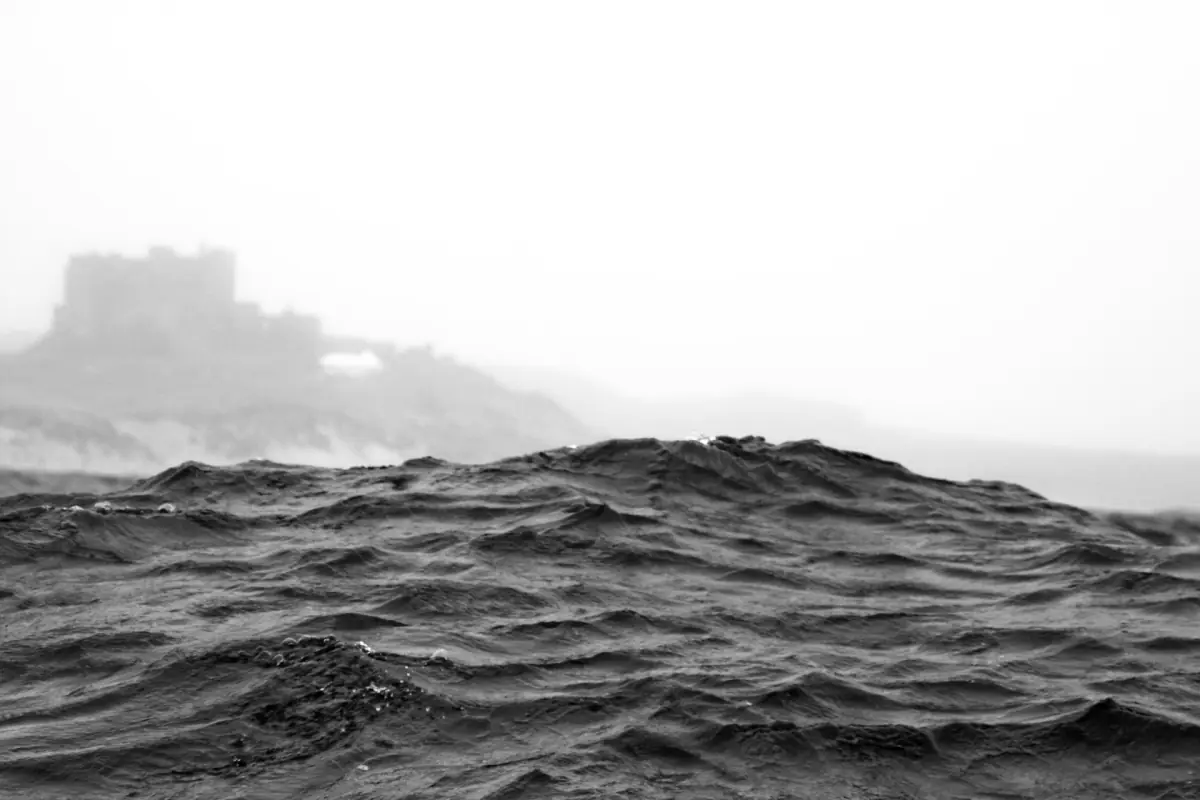
Our take: Longstone
The Longstone boat trip includes expert commentary for a history-focused visit.
Hand-picked tours, booked through Viator. Prices are indicative starting prices in British pounds (as of October 2026). Tap a tour for live availability and the current price in your currency.
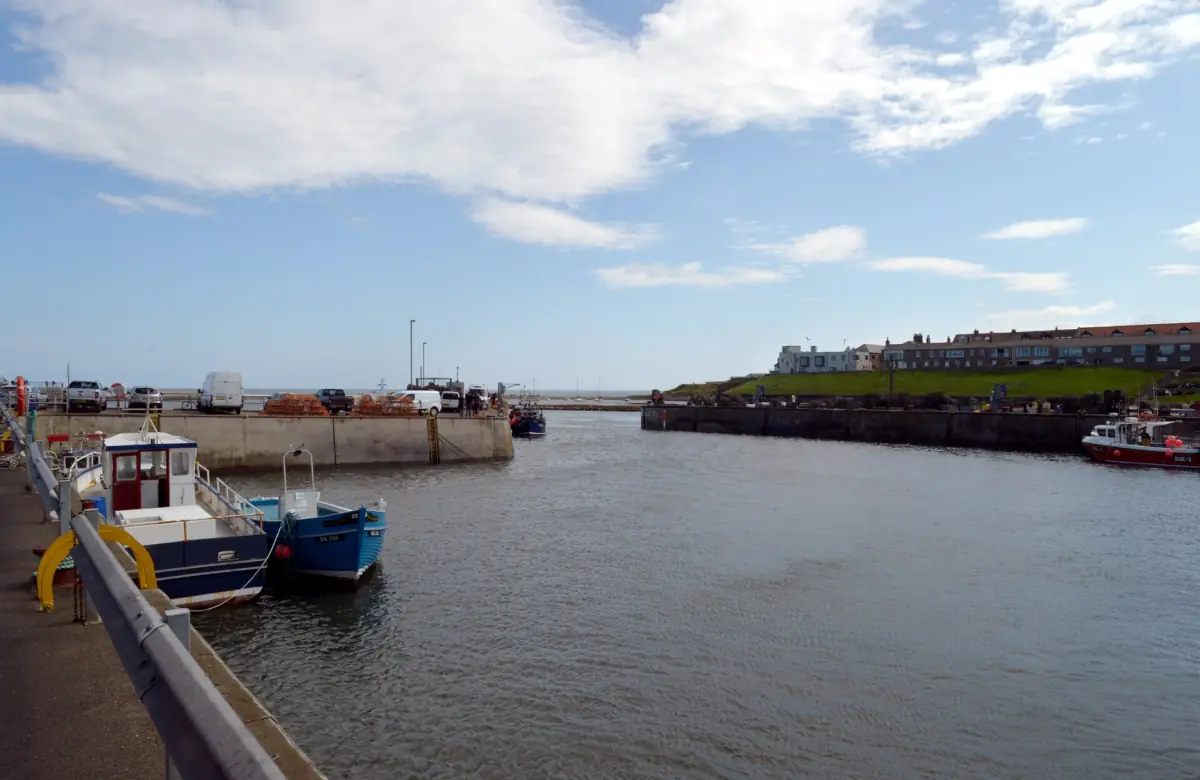
Longstone by boat
A boat trip with commentary introduces the waters around the islands; check landing conditions and tower arrangements for your date.
Cuthbert and the later island buildings
Cuthbert's retreat belongs to the seventh century. St Cuthbert's Chapel, by contrast, incorporates older fabric but began a new phase of construction in 1369 and was substantially renewed in the nineteenth century. Its east window dates from 1844. Wood panelling originally made for Durham Cathedral in 1665 came to the islands in 1848.
Prior Castell's Tower is another part of the built landscape and is used by rangers during the breeding season. The present High Light on Inner Farne was built in 1809. A Low Light built in 1811 was demolished in 1911. These changes show how the islands' buildings developed for different needs over time.
Access to Inner Farne follows the permitted visitor arrangements rather than an unrestricted right to explore. Its landing season runs from April to September; the day status on 1 November 2026 was closed. A boat ticket and any National Trust landing charge are separate matters. Check the current position before choosing a sailing.
Longstone Lighthouse
Longstone belongs to the outer island group. The lighthouse was built in 1825 and remains closely associated with the Darling family and the rescue of the Forfarshire's survivors. A visit begins with a boat journey from Seahouses; landing and operation depend on weather, tide and the boat skipper's decision.
The lighthouse tower visit is optional and costs extra. Tower admission is payable in cash only. Visitors must be at least 1.10 metres tall and able to climb the stairs up and down independently, including children. Wear suitable sturdy footwear. Dogs on leads may be outside on Longstone, but are not allowed inside the lighthouse. These conditions differ from those on Inner Farne.
Grace Darling and the Forfarshire rescue
On 7 September 1838 Grace Darling and her father rescued nine survivors of the Forfarshire. Their story connects Longstone with the village of Bamburgh, where the RNLI Grace Darling Museum displays the rescue boat and personal belongings. The museum is on the mainland, not at the lighthouse, so you can plan the two places as separate visits.
Admission to the museum is free. Check its current hours before travelling, since volunteer availability can affect opening. The Bamburgh Castle guide puts the museum in the context of a wider day on the coast.
Put the history in context
A landing is only one way to appreciate the islands. A boat trip can show the relationship between the coastline, the rocks and the navigation story from the water. If landing is central to your plans, check the specific trip and make room for a change of plan when conditions are unsuitable. For a mainland base and onward travel, see getting to Seahouses.
History questions
When did Cuthbert live on the islands?
He lived here as a hermit in the seventh century. The buildings visible today are from later phases.
Can I visit Longstone Lighthouse?
Landing depends on conditions and the skipper. The optional tower visit costs extra and has height and stair requirements. Tower admission is payable in cash only.
Where can I learn about Grace Darling?
The RNLI museum in Bamburgh displays the rescue boat and personal objects. Check its current hours before visiting.